
Now for a limited time, trade in your old AED for a generous rebate toward a new unit!
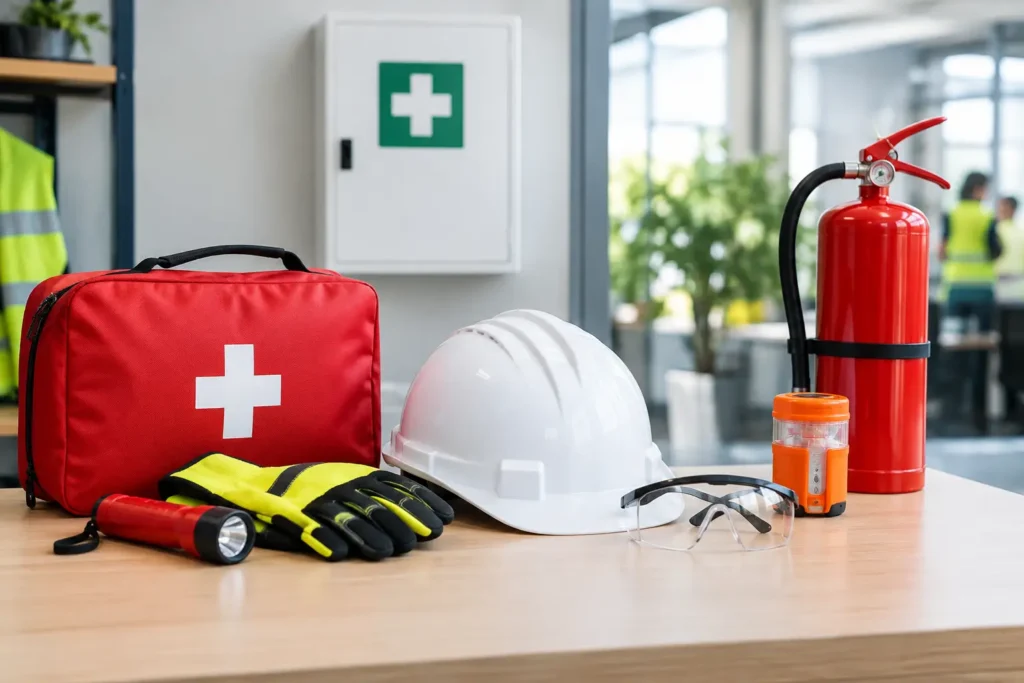
A medical emergency rarely gives a workplace time to prepare. A coworker collapses near the break room, a visitor experiences severe bleeding in the lobby, or an overdose occurs in a restroom. In those first minutes, the outcome can depend on whether people know what to do and can reach the right equipment. This workplace emergency equipment guide helps organizations turn good intentions into a response system their teams can use under pressure.
Preparedness is not about filling a cabinet with supplies and hoping for the best. It is about selecting equipment for the risks in your facility, placing it where it can be reached quickly, training people to respond, and maintaining every component after installation.
Every workplace needs basic first aid capability, but the right emergency equipment plan depends on the building, population, and daily operations. An office with public visitors has different needs than a manufacturing floor, school campus, church, warehouse, athletic facility, or police department.
Consider who is present throughout the day, including employees, students, guests, contractors, and members of the public. Look at building size, occupied floors, shift schedules, physical hazards, remote work areas, and how quickly local EMS can reach the site. A facility with machinery, sharp tools, or vehicle traffic may need a stronger bleeding-control plan. A location serving a large public population may need more visible AED coverage and clearly identified trained responders.
This assessment should lead to a practical response plan, not a generic checklist. The best equipment is equipment that matches the likely emergency and can be accessed without delay.
Sudden cardiac arrest can happen to employees, visitors, students, congregants, and athletes without warning. CPR keeps blood moving, but an automated external defibrillator, or AED, can analyze the heart rhythm and deliver a shock when appropriate. Fast access matters.
AED placement should reflect travel time rather than convenience for the person managing the program. Units belong in visible, unlocked, well-marked locations that people can reach quickly from common areas. Large facilities, multi-floor buildings, campuses, and sites with separated work zones may need multiple AEDs. A unit mounted inside an office or behind a locked door may technically be on-site, but it is not positioned for a fast response.
An AED program also requires more than the device itself. Pads and batteries have expiration dates, and adult and pediatric pads may be needed depending on the people your organization serves. Cabinets, wall signage, response procedures, and routine readiness checks all support effective deployment. For many organizations, AED management is the difference between owning equipment and maintaining a truly ready program.
Assigning one program coordinator is wise, but emergency readiness should not rest entirely on one person. Designate backup contacts who can verify device status, check for expired consumables, and report any missing or damaged equipment. If the coordinator changes roles or leaves the organization, the AED program should continue without gaps.
Document each AED’s location, serial number, pad and battery expiration dates, and inspection schedule. After an AED is used or removed from its cabinet, the organization needs a clear process for replacing pads, reviewing the device, and returning the unit to ready status. Ongoing management reduces the chance that a critical detail is discovered only during an emergency.
AEDs are essential for cardiac emergencies, but they are only one part of workplace preparedness. A well-equipped facility also needs accessible, properly stocked first aid supplies. The contents and quantity should align with workforce size, hazards, and distance from professional medical care.
For sites where severe bleeding is a realistic risk, trauma kits and bleeding-control supplies should be placed near higher-risk areas and public locations. These kits may include tourniquets, pressure dressings, gauze, gloves, and other tools designed to help a bystander control life-threatening bleeding until EMS arrives. Training is critical here. Equipment works best when staff understand when and how to use it.
Organizations should also consider overdose response equipment where community risk, public access, or organizational policy supports it. An overdose response cabinet can give staff a designated, visible location for emergency supplies and response instructions. As with AEDs, access, training, and routine checks matter as much as the cabinet itself.
When evaluating emergency equipment, avoid treating every facility the same. A small administrative office may need a focused setup with strong AED access and trained responders. A school, church, manufacturing site, or public-facing organization may need broader coverage, more equipment locations, and role-specific response planning.
A cabinet does not create confidence. Employees need hands-on CPR and AED training so they can recognize cardiac arrest, begin CPR, retrieve an AED, and work together before EMS arrives. First aid and bleeding-control training help teams respond with greater calm when injuries occur.
Training should include the people most likely to be present across operating hours, not only a single daytime group. Consider supervisors, front-desk personnel, coaches, security staff, facilities teams, and shift leaders. In a larger organization, designate response leads while making sure all employees know how to activate emergency services and locate equipment.
Simple procedures improve the response. Post equipment locations, include them in new-hire orientation, and explain who contacts 911, who retrieves the AED or trauma kit, and who meets EMS at the entrance. Review those steps periodically, especially after a renovation, relocation, staffing change, or expansion.
Emergency readiness can fade quietly. An AED pad reaches expiration, a first aid kit is used but not restocked, a cabinet key is misplaced, or a staff turnover leaves no one responsible for inspections. Regular reviews prevent these small issues from becoming major failures.
A useful inspection schedule checks device status indicators, verifies that supplies are present and in date, confirms signage is visible, and records corrective actions. The frequency may vary by equipment type and facility risk, but consistency is more valuable than an ambitious plan no one follows. Many organizations benefit from a partner that can coordinate AED program management, expiration tracking, equipment updates, and training renewal dates in one process.
Square One Medical helps organizations connect the practical pieces: CPR and AED training, emergency equipment, AED placement guidance, and ongoing program support. That integrated approach is particularly helpful when safety coordinators are balancing preparedness responsibilities with every other demand of their role.
The goal is not to predict every emergency. It is to give the people in your building a clear path to act when one happens: call for help, get the equipment, start care, and keep the response moving until professionals arrive.